How to Build a Solar Plant for Sustainable Energy Solutions?
Building a solar plant is essential for sustainable energy solutions. With a focus on harnessing the sun's power, these facilities can reduce reliance on fossil fuels. A solar plant can provide clean energy to thousands of homes, creating a positive environmental impact.
However, constructing a solar plant is not without challenges. Site selection is crucial; the location must receive abundant sunlight. Additionally, local regulations can complicate the planning process. Moreover, sourcing quality materials can be daunting, requiring research and collaboration with suppliers.
Investing in a solar plant offers numerous benefits, but it demands careful consideration. A successful project includes not just technology but also community input. Engaging local residents can help build trust and support for the initiative. Ultimately, while the path to creating a solar plant can be filled with obstacles, it remains a vital step towards a sustainable future.
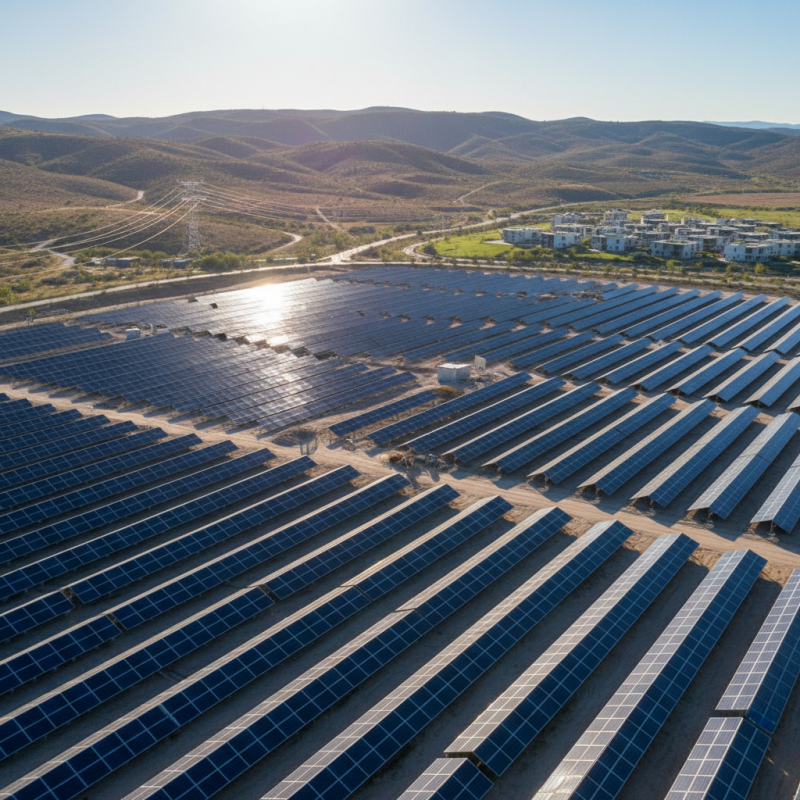
Understanding Solar Energy and Its Benefits for Sustainability
Solar energy has emerged as a powerful alternative for achieving sustainability. It harnesses the sun's rays to produce electricity, reducing reliance on fossil fuels. The benefits are profound. Solar energy decreases greenhouse gas emissions, promoting cleaner air and water. By integrating solar power, communities can achieve energy independence and resilience.
Installing solar panels can seem daunting. However, understanding its potential can ease this process. Solar energy systems can vary in size, from small rooftop units to large solar farms. The initial investment might be high, yet incentives exist. Some individuals may find the transition challenging. Concerns about efficiency and maintenance persist in discussions. Yet, the long-term savings and environmental impact often outweigh these worries.
Adopting solar energy comes with responsibilities. People must consider land use and local ecosystems. A balance between development and nature is essential. While solar energy can mitigate many environmental issues, it isn’t a perfect solution. Continuous reflection on improvement is needed. Every step towards solar power should address these complexities for a truly sustainable future.
Evaluating the Site Selection Process for Solar Plant Development
Selecting the right site for a solar plant is crucial for its success. Factors like sunlight availability, land type, and environmental impact must be considered. Areas with high solar radiation are ideal. However, proximity to existing infrastructure is also important. Access to power lines can reduce setup costs and time.
Additionally, local regulations play a significant role in site selection. Understanding zoning laws and permitting processes is essential. Some regions may have restrictions based on environmental protection. Engaging with local communities is another step that can't be overlooked. Their support can be vital in the long run.
Challenges may arise during site evaluation. Certain areas might not be as suitable as first thought. It's essential to be flexible and adaptive. Environmental assessments can reveal unforeseen issues. Adjusting plans according to these findings can lead to better outcomes. Each step in site selection requires careful thought and analysis. Balancing various factors is not always straightforward.
Designing the Infrastructure: Key Components of a Solar Plant
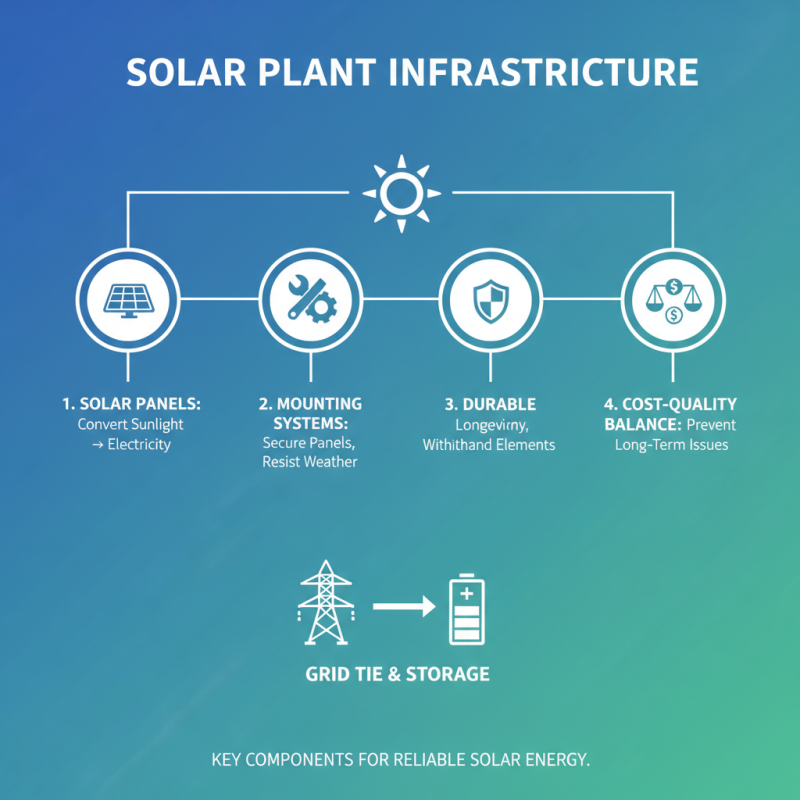
Designing the infrastructure for a solar plant requires careful consideration of various components. Solar panels are the most visible part, converting sunlight into electricity. These panels need a solid mounting system to withstand winds and other weather conditions. Choosing durable materials is essential, yet often overlooked. You must balance cost and quality, as poor choices could lead to long-term issues.
The inverter is another crucial element. It transforms the direct current generated by the solar panels into alternating current used in homes and businesses. Many underestimate the importance of selecting a reliable inverter. A faulty inverter can disrupt energy flow. Additionally, include energy storage systems, like batteries, to store excess energy. They allow for power availability during cloudy days or nighttime.
Do not forget about wiring and cabling. They ensure efficient transmission of electricity. Poorly designed electrical systems can cause energy loss. You'll need a well-thought-out maintenance plan too. Regular checks can prevent costly breakdowns. A solar plant's infrastructure is complex, and even minor mistakes can lead to inefficiencies. Always reflect on each component's role in the bigger picture, ensuring a truly sustainable energy solution.
Navigating Regulatory Requirements and Permits for Solar Projects
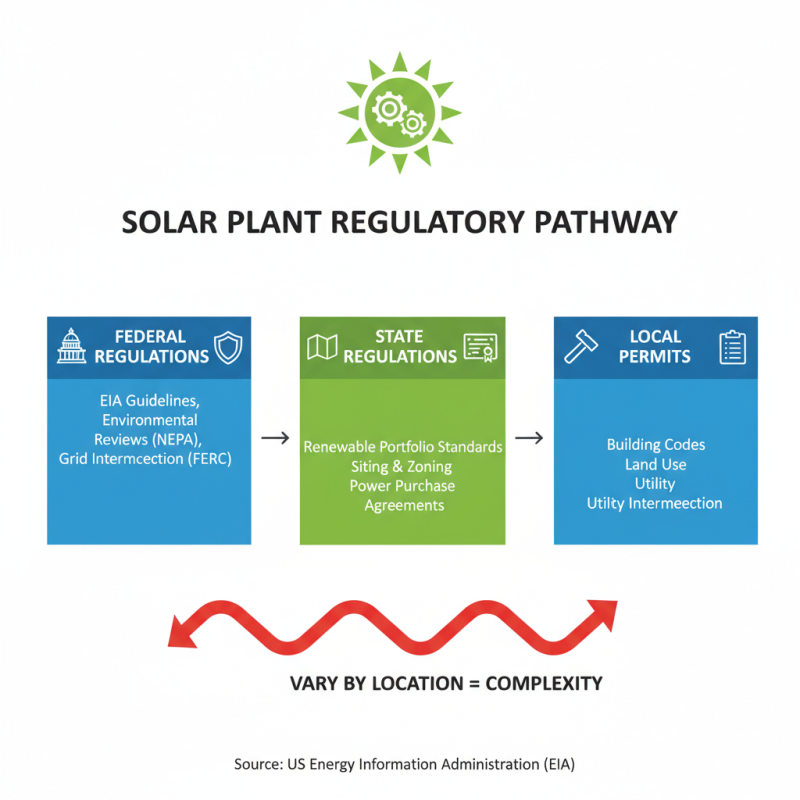
Building a solar plant involves navigating complex regulatory requirements and obtaining various permits. Each region has its own set of rules. Understand the federal, state, and local regulations affecting solar projects. The U.S. Energy Information Administration (EIA) highlights that regulatory processes can vary significantly by location, which adds layers of complexity.
Community engagement is crucial in this process. Local stakeholders must be informed and involved. This can be challenging, as different interests may collide. A 2021 report from the National Renewable Energy Laboratory indicates that effective community outreach is linked to project success rates. Gathering public input helps in mitigating future conflicts.
Permitting can be time-consuming. Projects may face delays due to environmental assessments or zoning requirements. According to the Solar Energy Industries Association, the average time for solar project approvals is often underestimated. This miscalculation leads to increased costs and potentially stalled timelines. The path forward requires diligence, adaptability, and a commitment to sustainability.
Implementing Effective Operation and Maintenance Strategies for Longevity
Maintaining a solar plant effectively requires strategic implementation of operation and maintenance (O&M) practices. Reports indicate that proper O&M can improve energy production efficiency by up to 20%. Regular inspections and preventive maintenance help identify potential issues before they escalate. Notably, solar modules and inverters require specific attention. Accumulated dirt and debris on panels can reduce their efficiency by nearly 15%.
Training skilled personnel is vital for successful O&M. Employees should know how to handle equipment and troubleshoot issues. It's a common oversight that many solar plants underestimate the importance of personnel education. Investing in training increases long-term reliability. Moreover, data shows that monitored systems can detect anomalies earlier. This allows for timely interventions, reducing downtime.
Adopting advanced technologies can enhance operational efficiency. Remote monitoring systems provide real-time data on performance. However, integrating such technologies often faces budgetary constraints. Balancing innovation with cost-effectiveness remains a challenge in the industry. Many solar plants still rely on outdated processes. Reflecting on these practices can lead to better long-term outcomes and energy contributions.
Monthly Energy Production of a Solar Plant (kWh)
This chart illustrates the monthly energy production of a solar plant over a year, highlighting the importance of effective operation and maintenance strategies for maximizing energy output.