Why Choose PV Solar for Your Energy Needs?
As energy demands grow, many seek sustainable solutions. PV solar technology stands out among these options. Renowned expert Dr. Emily Carter, a leading voice in renewable energy, states, "PV solar is not just a trend; it's a transformative shift in how we generate power."
PV solar offers numerous advantages for homeowners and businesses. It reduces reliance on fossil fuels and decreases monthly energy bills. Integrating PV solar systems shows significant potential in achieving energy independence. Yet, the initial investment can be a hurdle for some. Individuals often wrestle with the upfront costs versus long-term savings.
There's also the challenge of understanding local regulations and incentives. Prospective users need to research thoroughly. Identifying the right PV solar provider is critical. A thoughtful approach to solar energy can foster a cleaner, more sustainable future for everyone. The road to adoption isn’t always smooth, but the benefits are hard to ignore.

Benefits of PV Solar Energy for Homeowners
Solar power offers various benefits for homeowners. One major advantage is the potential to reduce electricity bills significantly. Homeowners can generate their own energy, which leads to savings. Some may even produce surplus energy they can sell back to the grid. That’s extra cash in your pocket!
Another key benefit is environmental impact. By choosing solar energy, homeowners contribute to a cleaner planet. Fewer fossil fuels mean less pollution. This shift helps combat climate change. Yet, some may worry about installation costs and space required for solar panels. It’s a valid concern. But over time, the energy savings often outweigh initial expenses.
Maintenance is crucial as well. Solar panels require regular cleaning to ensure efficiency. Neglecting them can lead to reduced performance. Homeowners should also be aware of local regulations that might affect installation. Before diving in, it’s wise to research thoroughly. Every home is different, and some may face challenges.
Why Choose PV Solar for Your Energy Needs? - Benefits of PV Solar Energy for Homeowners
| Benefit |
Description |
Impact on Homeowners |
| Cost Savings |
Reduction in electricity bills through harnessing solar energy. |
Saves homeowners money over time, leading to a lower overall utility cost. |
| Environmental Impact |
Reduction of carbon footprint by using renewable energy. |
Contributes to a healthier planet and promotes sustainability. |
| Energy Independence |
Decreases reliance on fossil fuels and grid energy. |
Provides homeowners with greater control over their energy sources. |
| Increased Home Value |
Solar installations can significantly improve property value. |
Attracts potential buyers seeking energy-efficient homes. |
| Low Maintenance Costs |
Solar systems require minimal maintenance after installation. |
Reduces ongoing costs for homeowners over time. |
Environmental Impact of Solar Energy Adoption
The environmental impact of solar energy is significant. A report by the International Energy Agency states that solar energy could reduce carbon dioxide emissions by as much as 4.3 billion tons by 2030. This figure highlights the urgency of adopting cleaner energy sources. Transitioning to solar power can decrease reliance on fossil fuels, which contribute heavily to air pollution and climate change.
Moreover, the solar industry uses far less water compared to traditional energy sources. For instance, solar photovoltaic systems require 90% less water than coal or natural gas plants. This shift not only conserves water but also maintains local ecosystems. However, there are concerns. The manufacturing of solar panels involves hazardous materials. Improper disposal could lead to environmental harm. It's essential to create effective recycling programs to mitigate this risk.
Despite these challenges, adopting solar energy brings clear benefits. It leads to cleaner air and water. According to the National Renewable Energy Laboratory, expanding solar power could prevent thousands of premature deaths per year linked to air pollution. The path to solar adoption may have hurdles, but the potential environmental gains are undeniable.
Cost Savings and Financial Incentives for Solar Installation
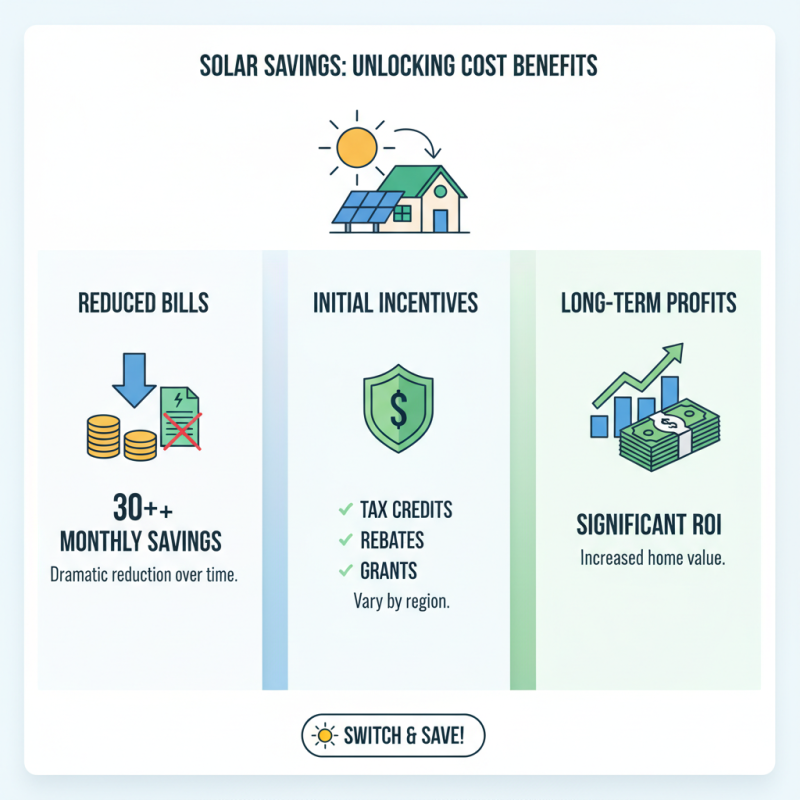
Switching to PV solar energy can lead to significant cost savings. With the initial investment in solar panels, homeowners often notice a reduction in monthly electricity bills. This reduction can be quite dramatic over time. Some studies show savings of 30% or more. Additionally, solar installations often qualify for various financial incentives. Tax credits, rebates, and even grants can cut down the overall costs. These incentives vary by region but can be quite beneficial.
Tips: Research local incentives. Each state offers different programs. Some may provide instant rebates, while others offer tax deductions. Understanding these options can maximize savings.
While the idea of installing solar panels seems attractive, the process can feel overwhelming. It’s important to assess the upfront costs. Compare different financing options. Some individuals regret rushing into decisions without fully understanding their financial commitments. Consulting with energy experts can help clarify confusion and provide guidance on best practices. This step may save you from costly mistakes.
Technological Advancements in PV Solar Systems
Recent advancements in PV solar technology have transformed the energy landscape. These systems are now more efficient and accessible. Modern solar panels can convert sunlight into electricity with up to 22% efficiency. This means more energy generated from the same surface area.
Energy storage technologies have also evolved significantly. Battery systems allow households to store excess energy for later use. This innovation helps achieve energy independence. However, installation costs can still pose challenges for some homeowners. Finding the right balance of investment and return remains a vital consideration.
The materials used in PV solar systems have improved. Newer models are lighter and more durable. They can withstand various weather conditions, enhancing longevity. Yet, the environmental impact of production is a subject that needs reflection. It raises questions about sustainability and recycling of old panels. While progress is evident, continuous evaluation is essential.
How to Choose the Right Solar Provider for Your Needs
Choosing the right solar provider can feel daunting. The energy market is crowded and complex. To make the best choice, start by identifying your energy needs. Assess your consumption patterns and estimate how much energy you require. This will guide you in selecting the right systems.
Tips: Research local solar providers. Compare their services, pricing, and customer reviews. This gives you insight into their reputation. Don’t rush your decision. Take the time to understand each provider's offerings. Some may lack transparency, which could impact your experience.
Understand the installation process. How long will it take? Are permits needed? Be cautious of providers who rush through explanations. Clear communication is crucial. Pick a provider that values transparency and addresses your concerns thoroughly. Some details matter greatly; overlooking them could lead to issues down the line.
Why Choose PV Solar for Your Energy Needs?
Here is a comparative analysis of various energy sources based on their efficiency, cost, and environmental impact.