Maximizing solar energy efficiency is vital for a sustainable future. Dr. Emily Chen, a leading expert in renewable energy, states, "Every small improvement in efficiency can lead to significant energy savings." This sentiment drives the necessity of understanding how to harness solar energy more effectively.
Solar energy can power homes and businesses, but it requires thoughtful implementation. Many people overlook basic maintenance and system optimization. Cleaning solar panels regularly can significantly enhance their effectiveness. Also, ensuring proper placement can maximize sunlight exposure.
Despite the growth in solar technology, common misconceptions still exist. Some believe simply installing panels guarantees high efficiency. In reality, it demands ongoing attention and adaptability. Learning from mistakes, such as improper installation or poor planning, is crucial. These insights help to refine approaches in leveraging solar energy to its fullest potential.
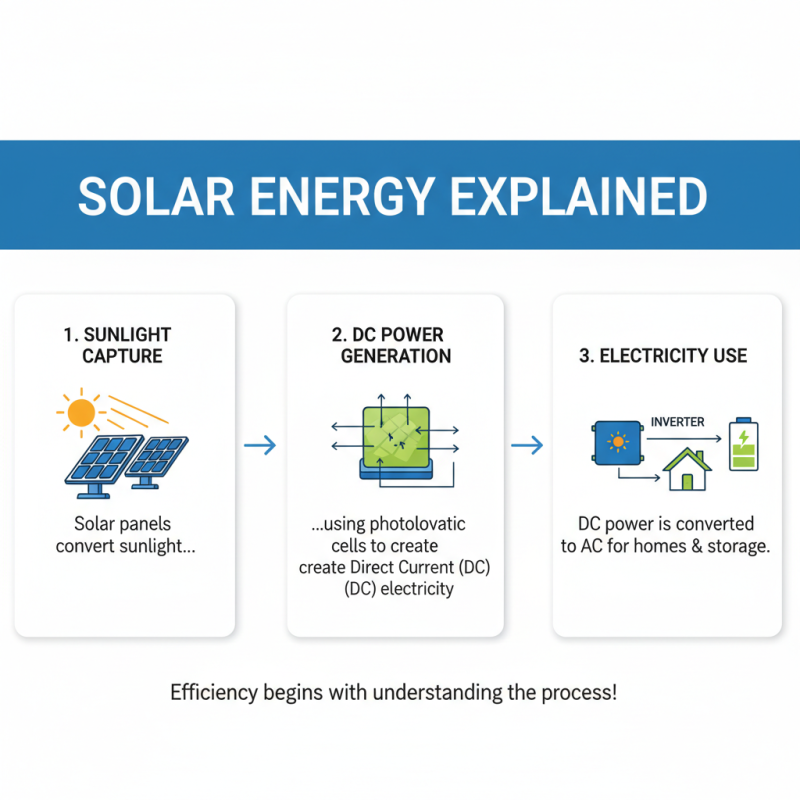
Understanding solar energy is key to enhancing efficiency. It starts with awareness of how solar panels convert sunlight into electricity. Solar panels use photovoltaic cells to generate energy. These cells react to sunlight, creating direct current (DC) electricity. This process is fundamental for anyone considering solar energy. However, not everyone fully grasps these basics.
Placement of solar panels matters. They should be positioned to receive maximum sunlight. Obstructions like trees or buildings can create shadows that reduce energy capture. Some people overlook this aspect, thinking any spot will do. Orientation plays a crucial role. South-facing panels generally receive more sunlight and perform better.
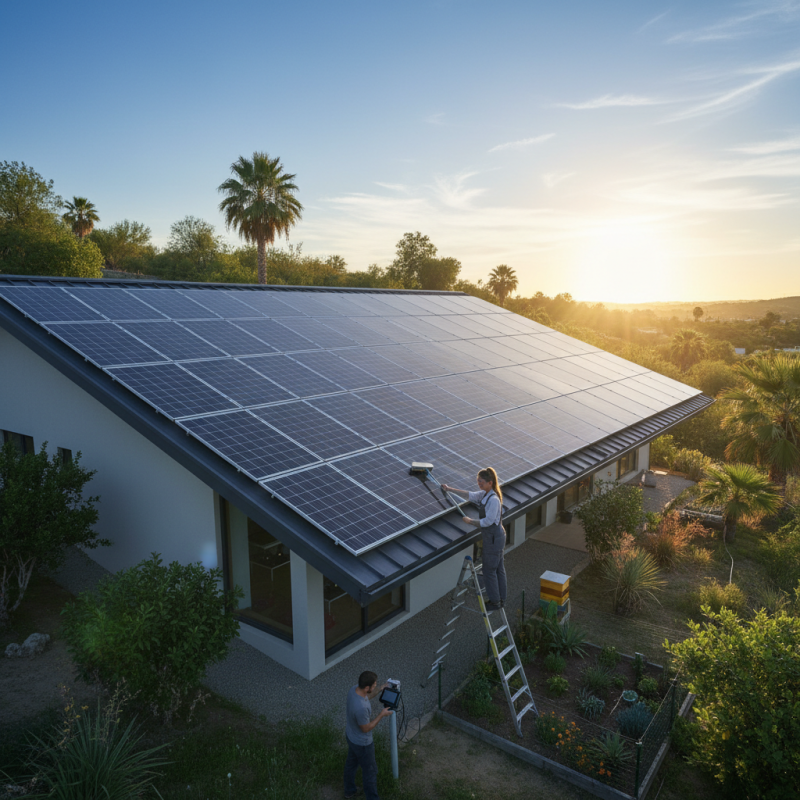
Maintenance is also essential. Dirty panels can lose efficiency. Regular cleaning can help maintain their performance. Many forget this simple task. Monitoring energy production is another vital part. Not everyone tracks their energy output consistently. Understanding these small details can significantly improve energy efficiency in solar systems. It is a journey of learning and adapting.
When maximizing solar energy efficiency, the placement and orientation of your solar panels play a crucial role. Positioning them at an optimal angle can significantly enhance energy output. For most regions, a south-facing orientation is ideal. This allows the panels to capture the most sunlight throughout the day. Although this angle works well, some landscapes may limit installation options. Trees or buildings can cast shadows that reduce efficiency.
Choosing the right tilt is also essential. Panels should typically be angled between 25 to 40 degrees, depending on your location. However, finding the perfect pitch can be challenging. In some cases, a flat roof may restrict optimal tilt. This could lead to less energy being harvested. Additionally, regular maintenance is important. Dust and debris can accumulate, blocking sunlight and decreasing efficiency.
Weather conditions matter too. Areas with frequent rainfall may need less adjustment for dust. Yet, regions with prolonged sunny days should prioritize cleaning. Oddly enough, some people install panels without considering future growth of nearby trees. This oversight encourages an eventual reduction in solar gain. Being mindful of these factors can lead to better energy output.
This chart demonstrates the average efficiency of solar panels based on their orientation. South-facing panels typically achieve the highest efficiency, followed by those facing East and West, while North-facing panels yield the lowest efficiency.
Innovations in solar technology are transforming the energy landscape. Advanced solar panels, such as those featuring bifacial technology, can capture sunlight on both sides. This can improve energy generation by 20-30%, according to a recent report by the National Renewable Energy Laboratory (NREL). These panels utilize reflected sunlight, maximizing efficiency in various conditions.
Energy storage solutions like lithium-ion batteries are crucial for maintaining power availability. They ensure that energy generated during the day can be used at night. Reports show that these systems enhance solar energy's reliability. However, current storage technologies still face challenges with longevity and cost. The industry needs ongoing research to improve these critical aspects.
Emerging techniques like solar tracking also play a vital role. Solar trackers adjust the position of panels throughout the day. This adjustment can increase energy capture by up to 25%. Despite these advantages, the initial installation costs and maintenance can be a barrier for many. Not all areas are suited for advanced setups, limiting their overall potential.
Regular maintenance is crucial for maximizing solar energy efficiency. Studies show that clean solar panels can improve energy output by up to 30%. Dirt, dust, and debris can significantly hinder performance. Simply rinsing panels with water can help.
Check the inverter regularly. It’s the brain of your solar system. Periodically inspect it for error codes. If something seems off, consult a professional. A well-functioning inverter can make a huge difference in energy collection.
Seasonal inspections are advisable. Look for shading from growing trees or buildings. These obstructions can reduce efficiency. In some cases, changing the angle of the panels may be needed. Weather can also impact performance. Strong storms can cause damage that’s not always visible.
Remember, long-term efficiency depends on your attention to detail. Regular maintenance is not just a chore; it’s an investment in performance. Consider documenting your maintenance schedules and findings to track progress. It may reveal patterns or recurring issues that need addressing.
Energy storage solutions play a vital role in maximizing solar benefits. They allow homeowners to store excess energy produced during peak sunlight hours. This stored energy can be used later, reducing reliance on the grid. Here are some tips to enhance energy storage efficiency.
Choose high-quality batteries that suit your household needs. Smaller batteries may save money but lack sufficient storage capacity. Assess your energy consumption patterns. Understanding when you need the most energy will inform your battery size. Combine this with smart energy management systems to optimize usage.
Evaluate different storage options regularly. Technology evolves quickly, and newer models often offer improved efficiency. Monitoring your energy output can reveal patterns, so you can adjust your usage. Don’t overlook maintenance; regular checks can prevent minor issues from becoming significant problems. Embrace these tips to truly harness the full potential of solar energy.
| Tip Number | Tip Description | Expected Benefit | Recommended Storage Solution |
|---|---|---|---|
| 1 | Optimize Panel Orientation | Increased energy capture by up to 25% | Lithium-Ion Battery Systems |
| 2 | Regular Maintenance Checks | Enhanced system longevity | Lead-Acid Battery Solutions |
| 3 | Utilize Energy Management Systems | Improved energy usage efficiency | Smart Inverter Technologies |
| 4 | Obtain Energy Production Monitoring | Identify anomalies quickly | Battery Monitoring Systems |
| 5 | Consider Seasonal Energy Storage | Availability of energy year-round | Flow Battery Technology |
| 6 | Use High-Efficiency Solar Panels | Greater energy output per square meter | Hybrid Battery Systems |
| 7 | Leverage Government Incentives | Reduced initial investment cost | No specific storage solution |
| 8 | Implement Net Metering | Credit for surplus energy | No specific storage solution |
| 9 | Educate and Engage Users | Effective energy use habits | No specific storage solution |
| 10 | Regular Energy Usage Audits | Optimize energy consumption | Battery Solutions as per audit results |