Choosing reliable solar wire manufacturers requires more than comparing prices or catalog thicknesses. Global buyers must examine conductor quality, insulation performance, connector compatibility, factory testing, and supply consistency. A cable may look robust on a showroom reel, yet fail after years of heat, moisture, ultraviolet exposure, and mechanical stress.
Professor Martin A. Green, a leading photovoltaic researcher, has observed, “Solar photovoltaics is now the cheapest form of electricity generation in many parts of the world.” That advantage depends on every component supporting long-term system performance. Solar wire is small in appearance, but it carries continuous electrical loads across rooftops, utility fields, and remote installations. Poor material selection can increase resistance, heat, maintenance needs, and project risk.
This guide reviews top solar wire manufacturers for global buyers. It considers production experience, compliance documentation, conductor materials, insulation compounds, testing procedures, and export capability. Buyers should look for clear evidence of standards such as IEC 62930, EN 50618, and relevant UL requirements. Factory audits and sample testing also matter.
Price alone is not enough.
A manufacturer may offer attractive terms but limited traceability. Another may provide excellent engineering support but slower delivery. These trade-offs deserve careful review. No ranking can fit every project, because climate, voltage, installation method, and local certification requirements differ. That is an important limitation.
The strongest suppliers usually combine stable production with transparent technical data. They also respond clearly when specifications change. For international procurement teams, that practical reliability can matter as much as the printed warranty.
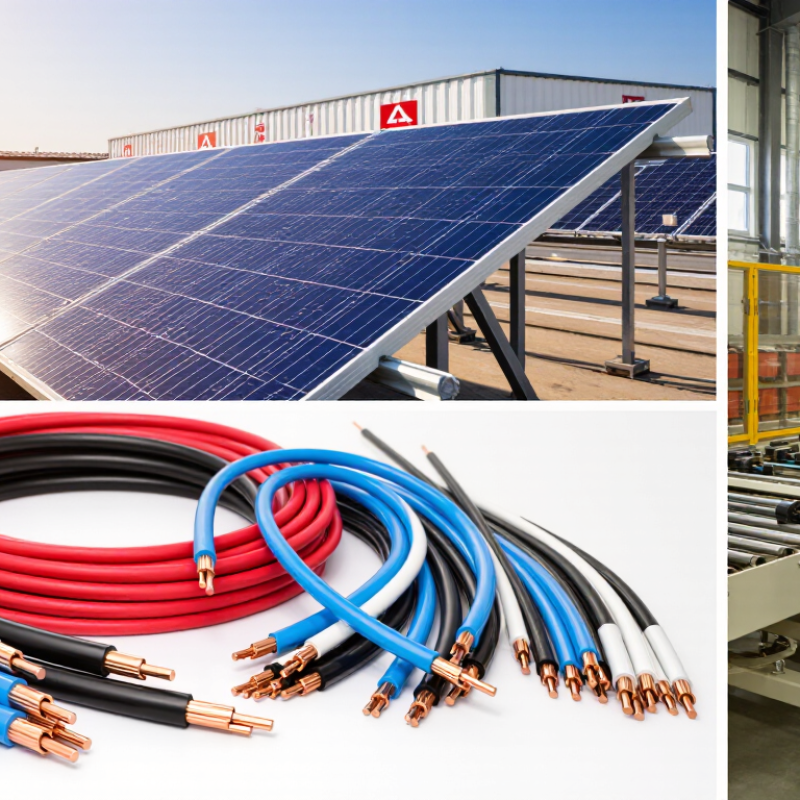
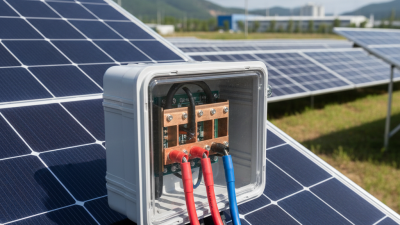
Solar wire manufacturers play a central role in the global photovoltaic industry. They produce conductors that connect modules, inverters, combiner boxes, and battery systems. Their work affects electrical safety, energy losses, installation speed, and long-term maintenance costs. Demand is growing with utility-scale farms, commercial rooftops, and residential systems. The market is not as tidy as product catalogs suggest.
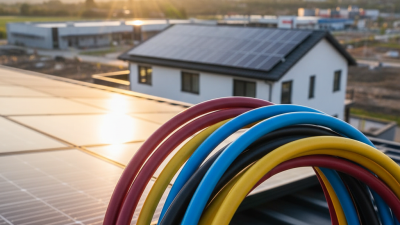
Reliable manufacturers typically control copper quality, insulation compounds, stranding, and production testing. Common products use tinned copper to resist oxidation in humid environments. Cross-linked insulation helps cables withstand sunlight, heat, moisture, and repeated temperature changes. Compliance with recognized standards, such as IEC 62930 or EN 50618, supports safer purchasing decisions. Buyers should still verify certificates, test reports, conductor size, voltage rating, and operating temperature.
Small details matter. A cable may lie beneath a hot panel at noon, then face freezing air overnight. Poor routing can create sharp bends, abrasion, or water entry near connectors. Field inspections often find that installation errors weaken otherwise capable products. Manufacturers therefore support projects through technical data, traceability, packaging controls, and application guidance. Yet documentation can remain incomplete, especially across unfamiliar export markets. Buyers should question unclear claims and compare samples against production records. A low price may look efficient, but replacement labor can quickly change the calculation.
Global solar photovoltaic capacity additions increased substantially from 2019 to 2023, expanding the addressable market for photovoltaic cables, module interconnects, and balance-of-system wiring. Solar wire manufacturers support this growth by supplying durable, weather-resistant cables designed for long-term outdoor operation.
Data source: International Renewable Energy Agency (IRENA), Renewable Capacity Statistics 2024. Values represent global solar PV capacity additions and are not manufacturer sales figures.
For global buyers, solar wire selection starts with verifiable standards, not attractive catalogue claims. IEC 62930 and EN 50618 define requirements for single-core photovoltaic cables used in DC systems. UL 4703 is widely referenced in North American projects. These standards address voltage rating, insulation, sheath durability, flame resistance, and resistance to sunlight, ozone, and moisture. A suitable cable should clearly state its rated voltage, conductor size, temperature range, and testing basis.
The market context is substantial. IEA PVPS reported global photovoltaic capacity above 1.6 terawatts by the end of 2023. Every installation depends on thousands of cable connections exposed to heat, rain, ultraviolet radiation, and mechanical stress. Buyers should check whether the wire is rated for 1,000 or 1,500 V DC, especially in large utility arrays.
Many products use tinned copper conductors, cross-linked insulation, and halogen-free outer jackets. These details reduce oxidation and support safer routing near rooftops and batteries.
Do not overlook temperature. A cable marked 90°C in wet conditions may differ from one rated 120°C dry. Installation length, bundling, and connector compatibility also affect current capacity. Some datasheets remain vague. That deserves caution.
Independent test reports, traceable production records, and samples from actual batches provide stronger evidence than certificates alone. The Renewable Energy Agency reported solar additions of about 346 GW in 2023, increasing pressure on supply chains and quality checks. Speed matters, but rushed wire approval can create expensive failures later.
Evaluating global solar wire manufacturers requires more than comparing prices. Check conductor material, cross-sectional accuracy, insulation thickness, and resistance data. Copper should meet the declared conductivity level, while insulation must withstand sunlight, moisture, heat, and repeated bending. Request recent test reports against relevant standards, such as IEC 62930, EN 50618, or UL 4703, depending on the target market. Reports should identify the tested product, laboratory, date, and test conditions.
Factory experience matters. Ask how manufacturers control raw materials, extrusion temperature, printing accuracy, and final inspection. A reliable supplier can provide batch traceability, sample records, and clear responses when specifications change. Review production capacity, minimum order quantities, packaging methods, and delivery history. A polished datasheet is not proof of consistent quality. Independent sample testing is wiser, although it adds time and cost. That inconvenience can prevent expensive field failures.
Tips: Compare samples from several manufacturers under the same test conditions. Inspect cable flexibility after low-temperature exposure. Check whether markings remain readable after abrasion and heat. Confirm warranty terms in writing, including response times and replacement procedures. Visit the factory when order volume justifies it. If travel is impossible, request a live production video and third-party inspection. Do not ignore small details, such as reel protection or moisture-resistant packaging. Those details often reveal operational discipline.
Global solar buyers usually compare four manufacturer categories: integrated photovoltaic cable producers, specialized solar wire factories, industrial cable makers, and custom harness suppliers. Each category serves a different project need. Integrated producers often control conductor drawing, insulation, and final testing under one roof. Specialized factories focus on sunlight resistance, thermal stability, and long outdoor service. Industrial cable makers may offer broader voltage ranges, but their solar experience can vary. Custom suppliers build cut-to-length assemblies, crimped terminals, and connectorized leads for faster installation.
Product capability matters more than a polished catalog. Experienced manufacturers specify conductor flexibility, insulation thickness, temperature ratings, and resistance to ultraviolet exposure. They should provide batch traceability, electrical test records, and samples from current production. A useful factory audit checks copper consistency, extrusion quality, spark testing, and packaging protection. Small details matter. Damp cartons can damage otherwise compliant wire.
For global projects, buyers should examine factory capacity, quality controls, and technical support together. Larger producers may handle container-scale orders with stable lead times. Smaller specialists can respond better to unusual lengths, compact routing, or frequent design changes. Harness suppliers reduce field labor, though their assemblies require careful connector matching. I have seen buyers choose the lowest quote and later face uneven stripping, difficult crimping, or delayed replacements. Price still matters. It should not replace evidence. Some specifications remain unclear until samples are tested in actual installation conditions. That gap deserves attention.
International sourcing of solar wire begins with application fit, not the lowest quotation. IEA PVPS reported more than 440 GW of new photovoltaic capacity in 2023, increasing demand for consistent cable quality. Buyers should define conductor size, insulation material, voltage rating, temperature range, UV resistance, and bending radius before requesting offers. Small omissions become expensive later.
Compliance must be checked at product and shipment levels. Common project requirements reference IEC 62930, EN 50618, or UL 4703, depending on the destination and installation design. Request third-party test reports, factory quality records, batch traceability, and clear markings on every drum. A certificate alone is not enough. Verify its scope, laboratory, issue date, and matching cable construction.
Delivery planning deserves equal attention. UNCTAD reports that maritime transport carries over 80% of global merchandise trade by volume, so port congestion and routing changes can affect project schedules. Specify drum dimensions, gross weight, packing protection, Incoterms, and document responsibilities in the purchase contract. Keep a buffer for customs review. A spreadsheet can still mislead. One practical improvement is requiring pre-shipment photos, sample-length inspection, and independent verification before loading. That adds cost, but it may expose damaged insulation, incorrect labels, or mixed batches before installation.