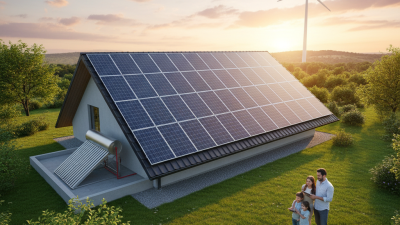
What Are Solar Power Installers and How Do They Work?
Solar power installers turn sunlight into a working electrical system, not merely a rooftop decoration. They assess the property, design the array, install equipment, and connect it safely to the grid or batteries. Their work links engineering calculations with practical rooftop decisions. Roof angle, shade, wiring routes, local weather, and household energy use all matter.
The market is expanding quickly. The International Renewable Energy Agency reported that global solar capacity increased by about 345 gigawatts in 2023, reaching nearly 1,419 gigawatts worldwide. The International Energy Agency also identifies solar photovoltaic technology as a central driver of renewable power growth. These figures explain the rising demand for qualified solar power installers. However, rapid growth does not make every contractor equally reliable. Experience still matters.
A professional installer begins with a site survey. They may measure roof condition, inspect the main electrical panel, and use shade-analysis tools near chimneys or trees. Next, they select panels, inverters, racking, and monitoring equipment that fit the building’s needs. Permits, inspections, utility approval, and safety testing follow. The process can feel technical. It should still be understandable.
Industry guidance from the North American Board of Certified Energy Practitioners emphasizes training, system knowledge, and ethical installation practices. Yet no installer gets every site decision perfectly right. Homeowners should ask for itemized proposals, equipment warranties, certification details, and realistic production estimates. This article explains what solar power installers do, how their work unfolds, and where careful judgment remains essential.
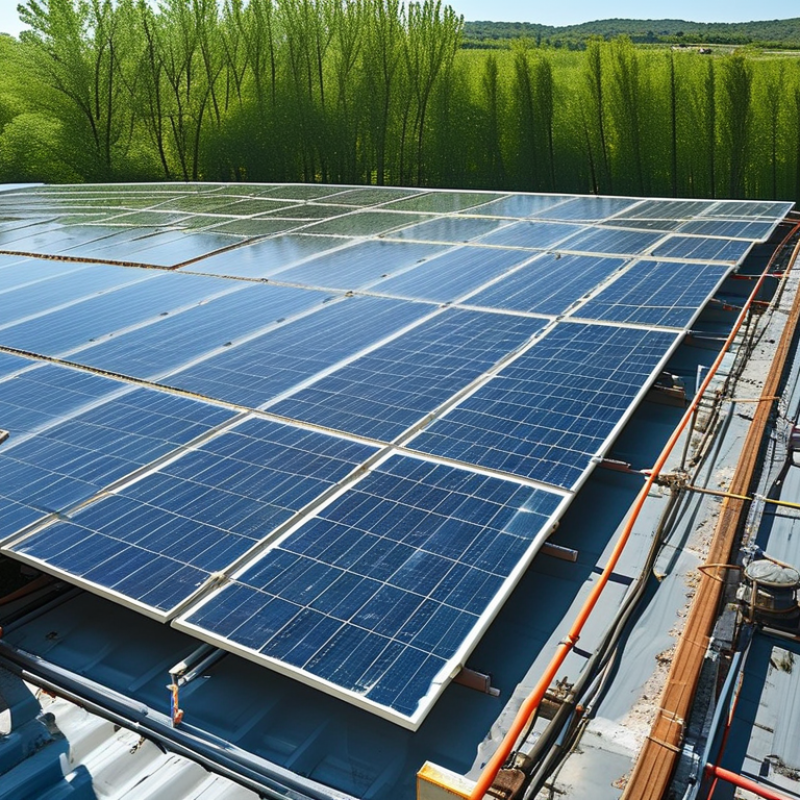
What Solar Power Installers Do and Why Their Work Matters
Solar power installers turn sunlight into usable household electricity through careful planning and skilled electrical work. Their job begins with a site assessment. They inspect roof strength, sun exposure, shading, wiring, and local approval requirements. A tall tree may reduce production more than a homeowner expects. Small details matter.
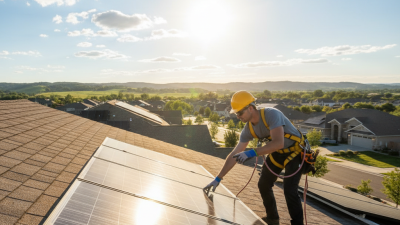
During installation, technicians position photovoltaic panels, secure mounting equipment, connect cables, and install an inverter. The inverter changes direct current into the alternating current used by household appliances. Installers also check grounding, weather protection, and emergency shutoff access. Safety comes first. They should follow electrical codes and document every major connection.
Their work matters because a solar system is not simply placed on a roof and forgotten. Installers calculate system size against electricity use, roof conditions, and seasonal sunlight. They arrange inspections and explain basic monitoring to the owner. Reliable professionals also identify limits, such as winter shading or an aging electrical panel. That honesty builds trust.
Some decisions remain imperfect. A larger system may not be practical if the roof needs repairs first. Forecasts can also differ from real production because weather changes. Installers should explain these uncertainties instead of promising exact savings. Homeowners can help by requesting clear estimates, equipment specifications, maintenance guidance, and records of completed inspections. Even experienced workers may miss a minor detail, so careful testing and independent inspection still have value.
Key Skills, Tools, and Responsibilities of Solar Installers
Solar power installers are skilled technicians who turn a roof into a working energy system. They assess roof condition, shading, wiring, and structural support before carrying equipment upstairs. Every roof tells a different story. Their key skills include electrical work, safe ladder use, accurate measuring, and careful problem-solving. They also need clear communication because homeowners deserve honest answers about energy output, maintenance, and possible limitations.
Their tool belt is practical. Common tools include multimeters, torque wrenches, drills, cable cutters, safety harnesses, and digital inclinometers. Installers use these tools to mount panels securely and protect cables from moisture or sharp edges. They connect conductors, check polarity, install protective equipment, and test the system before activation. They follow electrical codes, permit requirements, and inspection procedures. Good documentation matters. Photos, test readings, and wiring notes can help future technicians understand the installation.
Experienced installers also notice details that drawings may miss. An aging roof, unexpected shade, or damaged wiring can change the original plan. Good work is not rushed. No installation is flawless, and a missed cable label can create confusion later. A careful technician stops, asks questions, and revises the layout when conditions change. After commissioning, the installer explains safe shutdown procedures and checks whether the system performs as expected. This practical attention builds trust more effectively than a confident promise.
What Are Solar Power Installers and How Do They Work?
Solar photovoltaic installers assemble, secure, wire, and maintain solar energy systems. Their work combines electrical knowledge, construction skills, safety procedures, and careful equipment handling.
Employment outlook: Solar photovoltaic installer employment is projected to grow faster than several related occupations in the United States. Installers commonly use hand tools, power tools, electrical testing equipment, fall-protection systems, mounting hardware, and digital system-monitoring tools.
Source: U.S. Bureau of Labor Statistics, Occupational Outlook Handbook, “Solar Photovoltaic Installers,” employment projections for 2023–2033.
How Installers Assess a Property for Solar Energy
What Are Solar Power Installers and How Do They Work?
How Installers Assess a Property for Solar Energy
Solar power installers begin with the property, not the panels. They inspect roof age, surface condition, pitch, and available roof space. They also check the electrical panel, meter location, attic structure, and cable routes. A roof may look sunny, yet nearby trees can create moving shadows throughout the day. A quick satellite image cannot reveal every obstruction.
Installers measure roof orientation, tilt, and shading with site tools or digital mapping. They combine these findings with local weather data to estimate annual energy production. The National Renewable Energy Laboratory’s PVWatts model uses these inputs, including system losses and hourly solar conditions. The 2024 Tracking the Sun report from Lawrence Berkeley National Laboratory recorded a median residential system size of about 7.4 kilowatts in 2023. That figure is useful, but it should not become a default design. Household demand differs greatly.
Tips: Ask for a written shade analysis. Request the assumed roof tilt, losses, and annual kilowatt-hour estimate. Check whether the installer inspected the roof structure, not only its surface. Confirm future trees and planned construction nearby. No assessment is perfect. Weather changes. Roof conditions change too. A careful installer explains these uncertainties instead of promising an exact savings figure. Their final design should balance sunlight, structural safety, electrical capacity, maintenance access, and the property’s real energy habits.
The Step-by-Step Process of Installing a Solar Power System
Solar power installers turn sunlight into usable electricity through a controlled, site-specific process. They begin with a roof inspection, shade analysis, and review of household energy bills. They also check the electrical panel, roof age, structural condition, and local grid requirements. Small details matter.
Next, installers design the system using expected sunlight, roof direction, battery needs, and future electricity demand. According to IRENA’s Renewable Capacity Statistics 2024, solar capacity grew by about 346 gigawatts worldwide in 2023. This rapid expansion increases installation experience, but every property remains different. Engineers then prepare permits, equipment layouts, wiring plans, and safety documents. After approval, technicians mount the racking, secure the panels, connect inverters, and install protection equipment. An inspector checks the completed system before grid interconnection. Monitoring software then tracks production and alerts owners to unusual drops.
Tips: Request a written production estimate and ask how shading was measured. Compare it with your past electricity use. Do not rely only on a roof photograph. Installers should explain maintenance, shutdown procedures, warranties, and expected performance changes. NREL’s PVWatts guidance shows that system output depends on weather, orientation, tilt, and losses. Estimates are useful, not perfect. Dust, storms, unexpected shade, or an aging roof can reduce results. A careful installer discusses these weaknesses before installation, rather than promising ideal numbers.
Safety Standards, Inspections, and Ongoing System Support
Solar power installers do more than place panels on a roof. They assess roof condition, electrical capacity, shading, drainage, and safe access before installation. Their work matters as global deployment accelerates. IRENA’s Renewable Capacity Statistics 2024 recorded about 1,419 gigawatts of installed solar capacity worldwide by the end of 2023.
Safety begins with design. Installers should follow applicable electrical and structural rules, including IEC 62446-1 testing principles and local code requirements. They also need fall protection, lockout procedures, insulated tools, and clear work zones. A small mistake can leave dangerous direct-current voltage present after shutdown.
Inspection is not paperwork theater.
Inspectors check module mounting, grounding, cable protection, connector compatibility, roof penetrations, and emergency labeling. They may use insulation-resistance tests, polarity checks, thermal imaging, and inverter data. The IEA Photovoltaic Power Systems Programme identifies operation and maintenance as essential for reliable lifetime performance, especially as systems become larger and more complex.
Commissioning should record test results, equipment settings, photographs, and owner instructions. Ongoing support includes monitoring alerts, cleaning decisions, vegetation control, storm checks, and periodic electrical testing. A clean inspection report is not proof of a perfect system. Hidden moisture or a loose connector may appear months later. That uncomfortable possibility deserves honest communication. Owners should receive service contacts, warranty terms, shutdown instructions, and a documented maintenance schedule. Small details protect people.