How to Start Making Power Solar Energy at Home?
In today’s world, making power solar energy at home is becoming a popular trend. As electricity prices rise, many seek sustainable alternatives. Solar energy can help reduce your bills while minimizing your carbon footprint.
Setting up a solar energy system might seem complicated. However, with proper guidance, it can be straightforward. You will need to decide on the type of solar panels suitable for your home. Choosing the right location for installation is crucial too.
Many people start this journey thinking it’s perfect. Yet, challenges can arise. Weather conditions affect energy production. Maintenance is also necessary to ensure efficiency. Reflecting on these factors helps prepare for successful solar energy use. Investing time and effort into learning can make the process rewarding.
Understanding Solar Energy Basics and Benefits
Understanding solar energy can feel overwhelming at first. Solar energy harnesses sunlight. It converts it into electricity. This process is called photovoltaic conversion. The sun is a powerful energy source. It can significantly reduce your utility bills. That’s attractive, but many hesitate.
**Tips:** Start with small projects. Even a solar-powered garden light can teach you about solar energy. Research the local regulations too. Some areas offer incentives for homeowners. It’s important to know what's available to you.
The benefits of solar energy extend beyond cost savings. It reduces your carbon footprint. This is crucial in fighting climate change. Solar panels can sometimes be an eyesore. They require space, and aesthetics matter. Consider how they fit into your home design. Reflect on your energy needs. Oversizing a system can lead to wasted energy.
**Tips:** Monitor your consumption habits. Understanding peak usage times can inform your design choices. Some systems allow battery storage, which can be beneficial. But this adds complexity and cost. Ask yourself if it’s worth it. Balancing benefits and challenges will lead to smart decisions.
How to Start Making Power Solar Energy at Home? - Understanding Solar Energy Basics and Benefits
| Aspect |
Details |
| Solar Energy Type |
Photovoltaic (PV) and Thermal Solar |
| Benefits |
Reduced Electricity Bills, Environmental Sustainability, Energy Independence |
| Initial Costs |
$15,000 - $30,000 for a typical home system |
| Payback Period |
5 to 7 years in most regions |
| Solar Panel Lifespan |
25 to 30 years |
| Government Incentives |
Tax Credits, Grants, and Rebates available in many locations |
| Maintenance Requirements |
Minimal, generally cleaning panels and checking inverter every 6 months |
| Potential Return on Investment (ROI) |
Up to 20% annually after payback period |
Evaluating Your Home's Solar Energy Potential
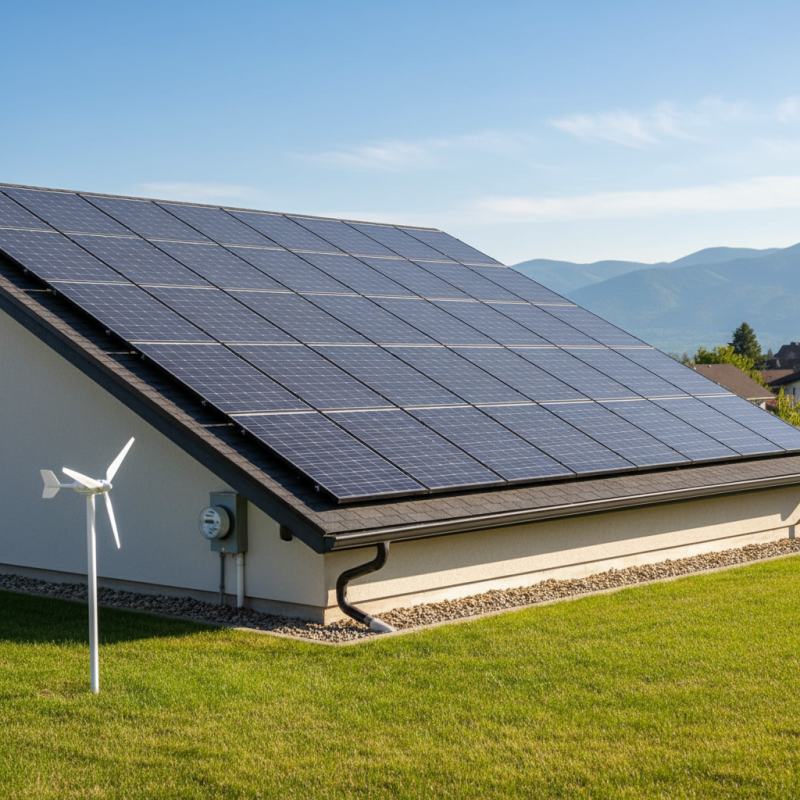
Evaluating your home's solar energy potential is a crucial step before investing in solar power systems. Start by examining your roof's orientation and angle. South-facing roofs capture the most sunlight. If your roof has shading from trees or buildings, this could drastically reduce energy production. Each shaded area is a reminder to rethink your layout and approach.
Check the size of your roof. Smaller roofs may not support large systems. You might need to adjust expectations. Look for unobstructed spaces like a garden or backyard. These areas can be used for ground-mounted systems if roof options are limited.
Tips: Consider an energy audit. Understanding current energy usage helps plan effectively. Measure the sunlight hours your home receives. Tracking these hours will guide your decisions. Remember, sometimes less is more. A smaller, more efficient system can be better than an oversized one. Reflect on what truly works for your home.
Installing Solar Panels: Step-by-Step Guidance
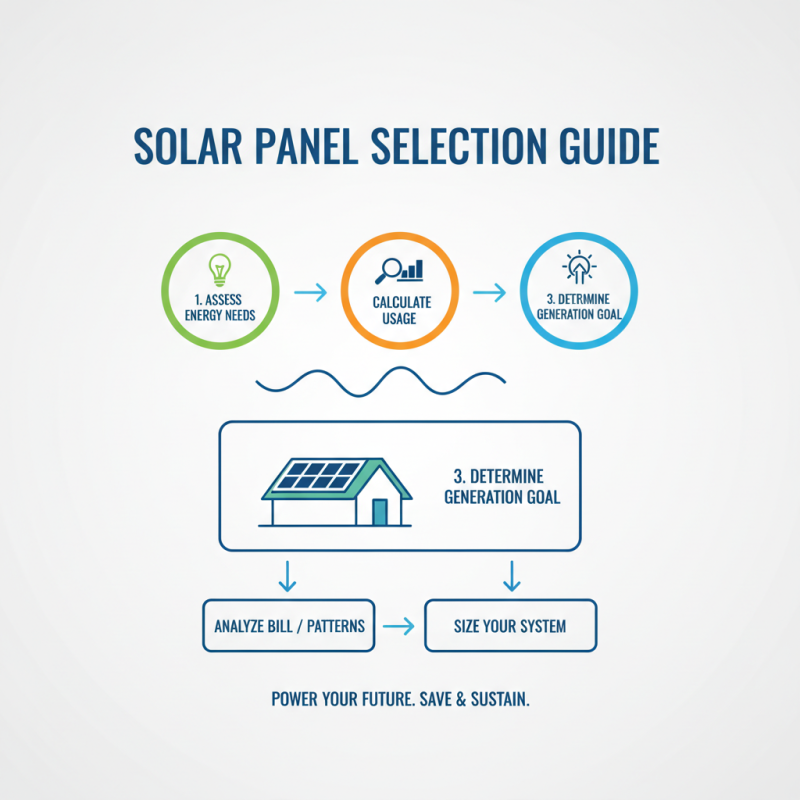
Installing solar panels at home can be an exciting project. It brings clean energy and can save you money over time. Start by assessing your roof. Make sure it has enough sunlight exposure. Look for any potential shading issues, like trees or nearby buildings.
Next, gather the necessary tools and materials. You'll need solar panels, mounting brackets, and wiring. Research local regulations before you begin. Some areas may require permits or inspections. This information is crucial to avoid future problems.
Tip: Take your time while measuring. Accurate measurements lead to better panel placement. Missteps can delay your project. If installing on a sloped roof, be cautious. Ensure that your safety harness is secure. Safety should always be a priority.
Connect the solar panels to an inverter. This device converts solar energy into electricity. Pay attention to the wiring instructions. Mistakes here can lead to system failures. Don’t rush this step; it’s vital for efficiency.
Lastly, monitor your system after installation. Check for any issues regularly. Reflect on what worked and what didn't. Continuous improvement is key to harnessing solar energy effectively.
Power Production from Solar Panels
Maintaining and Monitoring Your Home Solar Energy System
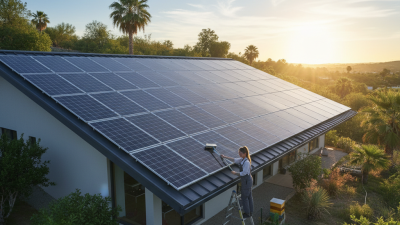
Monitoring and maintaining your home solar energy system is crucial for its efficiency. Regular check-ups can prevent minor issues from becoming major headaches. For instance, a study by the National Renewable Energy Laboratory found that proper maintenance can improve system performance by up to 30%. Keeping panels clean is vital, especially if you live in a dusty area. Simply rinsing panels with water can significantly enhance their energy production.
Battery health also deserves attention. Monitoring battery levels helps ensure that critical energy supply remains steady. According to the U.S. Department of Energy, about 20% of solar energy systems experience battery-related issues. Using monitoring software can provide insights into power generation, consumption, and battery health. Without it, you might also miss fluctuations in system performance.
Don’t overlook physical inspections. Check for wear and tear on cables and connectors. This often ignored aspect can lead to energy losses. You might find that one small crack can significantly impact solar output. Regularly scheduled inspections can help identify such issues before they escalate. Remember, investing time in maintenance pays off in the long run.