Choosing the right solar power supplier requires more than comparing prices on a spreadsheet. Global buyers need reliable products, transparent documentation, and consistent support after delivery. The strongest suppliers usually combine modern manufacturing with tested quality systems, practical engineering knowledge, and clear communication. They should provide verifiable certifications, product datasheets, factory information, and warranty terms written in understandable language.
Factory evidence matters. A polished website is not enough. Buyers should examine production capacity, quality-control procedures, module testing, inverter compatibility, and shipping experience. Independent inspection can reveal packaging weaknesses, inconsistent labeling, or damaged connectors before containers leave the port. Technical teams should also compare temperature coefficients, degradation rates, operating conditions, and performance guarantees. Real project results may differ from laboratory figures. That difference deserves attention.
Commercial reliability is equally important. Ask for recent customer references, response times, spare-parts policies, and written service procedures. A supplier that answers difficult questions clearly often performs better than one offering the lowest quotation. Still, no checklist is perfect. A large manufacturer may have strong technology but limited flexibility. A smaller company may respond quickly but lack stable production capacity. These trade-offs require careful judgment.
This guide examines leading China-based suppliers for global buyers. It considers product quality, certifications, manufacturing capability, export experience, pricing discipline, and after-sales support. The discussion also highlights questions buyers should ask before signing contracts. Good decisions come from evidence, not impressive promises. Sometimes, the best choice is not the cheapest one.
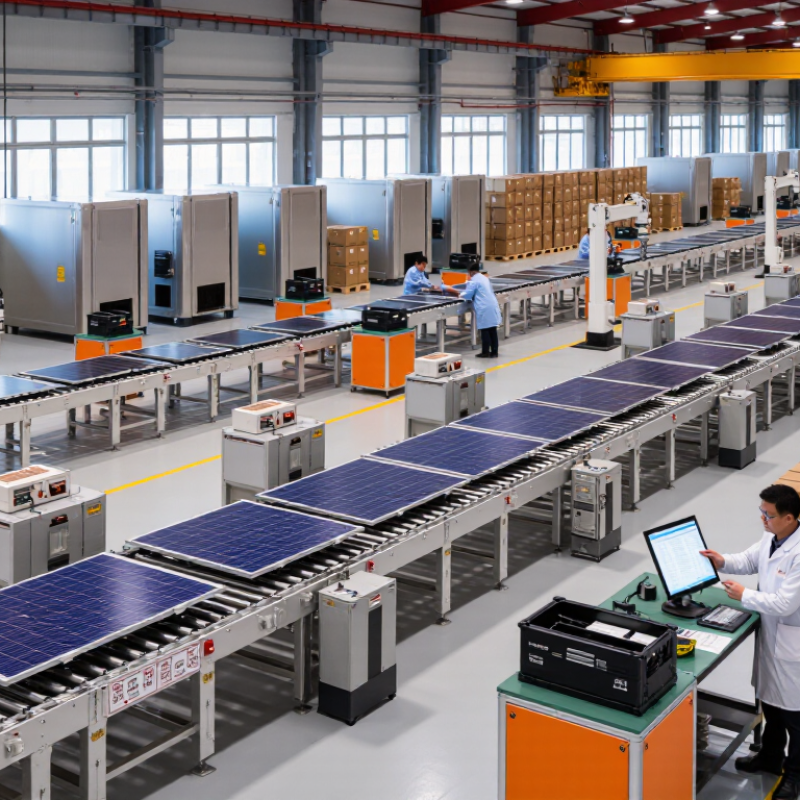
A leading solar power supplier in China is more than a factory with a large catalog. It should show consistent manufacturing quality, transparent documentation, and practical project experience. During supplier checks, buyers should request production records, module test reports, and sample units from current batches. A reliable supplier can explain temperature coefficients, degradation rates, inverter compatibility, and expected output in plain language. That matters when panels face dust, salt air, or winter snow. Real expertise appears in details, not polished promises.
Tips: Ask for independent test certificates, traceable serial numbers, and a clear warranty process. Review factory quality controls, including incoming material checks, electroluminescence testing, and final inspections. Confirm shipping protection before placing a large order. One damaged pallet can delay installation. Check response times with technical questions. If replies remain vague, treat that as evidence. Compare performance data under local conditions, not only the headline power rating.
Authority should be earned through verifiable projects, trained engineers, and stable production capacity. A serious supplier also discloses limitations, such as seasonal output changes or restricted customization. This honesty is easy to overlook. Yet it protects long-term returns. Buyers should not accept every certificate without checking its scope and validity. I have seen attractive quotations hide weak after-sales support. Price still matters, but dependable communication often saves more than a small discount.

China Best Solar Power Suppliers for Global Buyers?
Chinese solar suppliers offer more than standard rooftop panels. Monocrystalline modules remain common because they deliver strong output in limited space. Bifacial panels collect reflected light from bright roofs and pale ground surfaces. Flexible modules suit curved shelters, boats, and lightweight structures. Glass-glass designs can improve durability, although their extra weight may complicate installation.
Inverters form another major product category. Grid-tied models support household and commercial systems, while hybrid inverters manage solar power, batteries, and backup loads. Suppliers also provide lithium battery cabinets, wall-mounted storage units, and compact battery packs. A practical buyer should check usable capacity, temperature limits, cycle data, and protection features. Numbers on a brochure can look impressive.
Mounting systems include aluminum rails, steel structures, rooftop hooks, and ground frames. Chinese manufacturers also produce solar street lights, water pumps, portable power stations, and integrated balcony systems. I have found that product selection works best when suppliers review local sunlight, wind exposure, roof materials, and maintenance access. A coastal project may need better corrosion resistance. A rural site may need simpler replacement procedures.
Reliable suppliers usually provide test reports, installation manuals, warranty terms, and traceable quality records. Check whether documents match the exact model being quoted. This detail is often missed. Independent inspections can verify packaging, electrical ratings, and workmanship before shipment. Price matters, but unclear specifications create larger costs later. Nakne?
China Best Solar Power Suppliers for Global Buyers?
How to Assess Supplier Quality, Technology, and Certifications
A reliable solar supplier should prove quality beyond a polished showroom. Request factory records, production photos, and recent inspection reports. Examine incoming material controls, cell sorting, soldering consistency, and lamination temperatures. A small sample can reveal uneven busbars, trapped air, or weak frames. Ask whether serial numbers connect each module to its production batch. Traceability matters when a problem appears years later.
Technology claims need practical evidence. Review module efficiency, temperature coefficients, degradation data, and performance under low-light conditions. Check the bill of materials, not only the product brochure. Confirm whether testing covers the exact model and configuration being purchased. Independent laboratory reports are more useful than generic certificates. Verify certificate numbers with the issuing organization. Common documents may include IEC test reports, ISO 9001 records, and factory audit results. Certificates can expire or exclude newer products.
Supplier assessment should also cover engineering support and warranty procedures. Ask for response times, replacement processes, and clear testing conditions. A serious supplier explains limitations instead of promising perfect output. No audit is perfect. Even experienced buyers can overlook packaging damage or inconsistent documentation. I would inspect several production lots, not one attractive sample. A detailed comparison of defects, test data, and delivery history often exposes risks before installation begins.
Export capacity should be verified, not assumed. Ask suppliers for recent shipment records, production schedules, and container-loading photographs. A factory with several production lines may still struggle during peak seasons. Check port options, lead times, and export documentation before signing. Small delays can affect installation crews and grid-connection plans. Confirm whether testing reports match the exact product configuration.
Pricing requires more than comparing one figure. Request a detailed quotation covering modules, inverters, packaging, freight, insurance, duties, and replacement parts. Clarify the delivery term and currency. A lower factory price may hide expensive inland transport or weak packaging. I have seen buyers focus on unit cost and overlook cable quality. That mistake becomes costly later. Ask for payment milestones linked to inspections and shipment evidence.
Warranty language should be specific and practical. Check product coverage, performance guarantees, exclusions, claim procedures, and response times. After-sales support matters when a technician faces a fault in a remote project. Reliable suppliers should provide manuals, remote diagnostics, spare-parts plans, and trained local partners. Ask who pays for defective-product transport. Test the support channel before purchase. Send a technical question and measure the reply quality. Slow answers are a warning. However, one delayed reply does not prove poor service. Review several cases, speak with previous buyers, and keep every promise in writing.
Selecting a Chinese solar power supplier requires more than comparing quoted prices. Global buyers should verify manufacturing capacity, product consistency, and communication before signing a purchase agreement. Ask for recent production records, test reports, and a clear bill of materials. Visit the factory, or hire an independent auditor. Photos are not enough. During a factory review, inspect cell storage, lamination lines, quality checkpoints, and packaging areas. These details reveal whether a supplier controls production or mainly coordinates outside workshops.
A reliable supplier should explain module efficiency, temperature coefficients, degradation rates, and warranty conditions in plain language. Check whether certificates match the exact model and production site. Request samples from normal production, not specially prepared units. Measure dimensions, connector quality, frame alignment, and output under controlled conditions. Small defects matter. One poorly sealed junction box can create delays, claims, and safety concerns after installation. Also examine traceability, serial-number systems, spare-part access, and response times for technical questions.
Commercial terms deserve equal attention. Confirm capacity, lead times, inspection rights, payment stages, shipping responsibilities, and remedies for nonconforming goods. Do not rely on a polished presentation. I once gave too much weight to fast replies and underestimated weak documentation. That mistake would have been cheaper to catch during due diligence. Supplier selection is not perfect. Keep a written risk register, compare at least three qualified factories, and document every assumption before ordering.
| Evaluation Dimension | Suggested Weight | What Global Buyers Should Compare | Practical Screening Benchmark | Evidence to Request |
|---|---|---|---|---|
| Product Safety and Certification | 15% | Whether the proposed modules, inverters, batteries, and mounting systems comply with the standards required in the destination market. | For crystalline silicon modules, verify applicable IEC 61215 and IEC 61730 conformity. For grid-connected equipment, confirm the relevant local grid-code requirements. | Valid certificates, test reports, technical datasheets, certification scope, and the exact product model covered by each certificate. |
| Power Performance | 12% | Rated output, conversion efficiency, operating temperature range, tolerance, low-light performance, and compatibility with the project design. | Compare products under the same test conditions and use independent test data where available. Do not compare nominal wattage alone. | Independent laboratory reports, flash-test records, efficiency curves, temperature coefficients, and a complete product datasheet. |
| Degradation and Warranty Terms | 12% | Product warranty, performance warranty, annual degradation assumption, exclusions, claim procedures, and remedy options. | Require the warranty to state the initial power level, annual degradation method, final guaranteed output, warranty duration, and governing law. | Signed warranty document, serial-number policy, degradation schedule, insurance or financial backing if offered, and sample claim procedures. |
| Manufacturing Quality Management | 10% | Process controls, incoming-material inspection, production testing, non-conformance management, and final quality inspection. | An ISO 9001-certified quality management system is useful, but buyers should also verify actual factory controls and product-level testing. | Current ISO 9001 certificate, quality-control plan, inspection records, corrective-action reports, and an independent factory-audit report. |
| Financial and Delivery Reliability | 10% | Ability to support long-term supply, honor warranty obligations, maintain production, and manage raw-material or logistics disruptions. | Review audited financial information where available and avoid relying solely on trade references or a low initial quotation. | Corporate registration details, audited accounts or credit information, trade references, export history, and a documented business-continuity plan. |
| Production Capacity and Lead Time | 10% | Available production capacity, realistic monthly output, order backlog, production location, and the supplier's ability to meet the project schedule. | The confirmed delivery schedule should include production, inspection, export documentation, ocean transit, customs clearance, and contingency time. | Capacity statement, production schedule, sample purchase orders, factory audit, packing specification, and a milestone-based delivery plan. |
| Total Delivered Cost | 8% | Product price plus freight, insurance, duties, taxes, inland transport, testing, installation requirements, and expected replacement costs. | Compare quotations on the same Incoterms, currency, payment schedule, product configuration, packaging standard, and destination port. | Itemized quotation, Incoterms, HS codes, freight assumptions, payment terms, validity period, and a landed-cost calculation. |
| Traceability and Anti-Counterfeit Controls | 7% | Whether each product can be traced from raw materials and production batches through shipment, installation, and warranty service. | Every shipped unit should have a readable serial number linked to production records, test results, and shipment documentation. | Serial-number format, batch records, digital verification process, packing lists, bills of materials, and sample traceability results. |
| Technical Support and After-Sales Service | 5% | Response time, spare-parts availability, remote troubleshooting, commissioning support, training, and warranty-claim handling. | Define service-level commitments in writing, including response time, escalation contacts, replacement procedure, and responsibility for transport costs. | Service-level agreement, support organization chart, technical manuals, spare-parts list, training plan, and anonymized service records. |
| Environmental and Supply-Chain Compliance | 3% | Environmental management, restricted substances, responsible sourcing, labor practices, packaging, and end-of-life considerations. | Check whether the products and supply chain satisfy destination-market rules, including applicable restricted-substance and due-diligence requirements. | ISO 14001 certificate where applicable, material declarations, environmental records, supplier code of conduct, and compliance statements. |
| Recommended Evaluation Framework | 100% | Use the weighted score together with independent technical, legal, financial, and factory due diligence before signing a supply contract. | ||